How to Choose Animal Ear Tags in 2026?
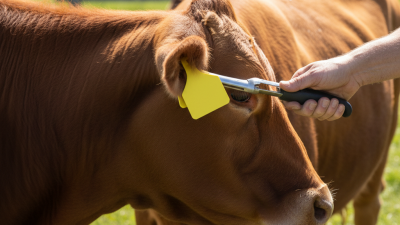
Choosing an Ear Tag Animal system in 2026 is not simply a matter of picking bright colors or the lowest price. A suitable tag must remain readable through dust, rain, rubbing, and months of outdoor movement. It should fit the animal’s species, age, ear structure, and management conditions. A newborn calf needs different consideration from a mature dairy cow or breeding sheep. Small details matter.
Temple Grandin, a leading livestock-handling scientist, has said, “The way animals are handled can affect their behavior.” Her observation is highly relevant to ear tagging. Poor restraint, blunt applicators, or careless placement can cause unnecessary stress and tissue damage. A reliable Ear Tag Animal solution should support quick application, clean equipment, visible identification, and accurate recordkeeping. RFID may improve traceability, but it is not automatically the best choice for every farm. Readers, software, battery access, and staff training also affect performance.
There is no perfect tag.
This guide will examine material strength, hole placement, retention, printing quality, RFID compatibility, and supplier support. It will also consider practical experience from barns, pasture gates, and handling chutes. A tag that looks excellent in a catalogue may fade under strong sunlight. Another may stay attached but become difficult to scan. These weaknesses deserve attention. Before purchasing in bulk, test several designs on a small group. Review visibility after several weeks, not only on installation day. The final choice should balance animal welfare, identification accuracy, operating cost, and the realities of daily farm work.

What Animal Ear Tags Are and Why They Matter in 2026
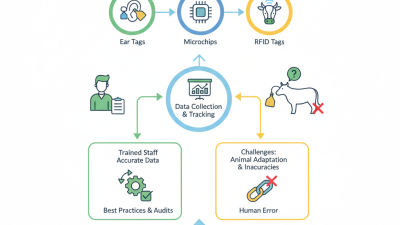
Animal ear tags are physical identity tools, not simple plastic labels. They connect an animal with its age, sex, herd, treatments, and movement history. In 2026, that connection matters more because disease response depends on fast, accurate records. The USDA APHIS Animal Disease Traceability rule requires approved electronic identification for certain cattle and bison moving across state lines. Visual tags still matter, especially when scanners fail or batteries are irrelevant.
Choose tags according to animal size, climate, and record systems. Large livestock need readable numbers from several meters away. RFID tags support faster data capture, but compatibility with readers must be checked before purchase. Flexible material can reduce tearing, while strong locking mechanisms help prevent accidental loss. However, no tag survives careless application. Placement, sanitation, and routine inspection remain essential.
FAO reports that livestock supports the livelihoods and food security of more than 1.3 billion people worldwide. That scale makes reliable identification more than a farm convenience. It supports recalls, veterinary decisions, breeding records, and welfare monitoring. A useful tag should remain legible after dust, rain, rubbing, and winter cold. Smaller operations may not need the most advanced system. Yet choosing only by price can create hidden costs. I would also question whether every digital feature solves a real management problem.
Which Ear Tag Materials and Designs Offer the Best Performance
When choosing animal ear tags in 2026, material matters more than color or price. Polyurethane and flexible thermoplastic tags usually tolerate bending, rain, manure, and repeated handling better than brittle plastic. They also reduce cracking during winter installation. However, flexibility is not automatically strength. A soft tag with a weak neck can tear after fence contact. Field checks should include pull resistance, hole deformation, fading, and readability after cleaning.
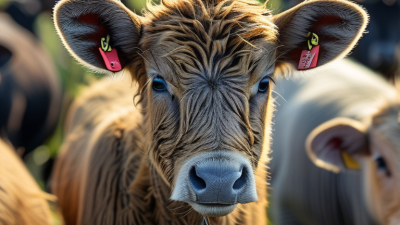
Design should match the animal and the recording system. ICAR identification guidelines emphasize secure attachment, readable numbering, and reliable electronic transponder performance. USDA APHIS’s 2024 traceability rule specifies RFID operation in the 840–960 MHz range for official electronic identification. That makes antenna placement and reader compatibility important, not optional. A wide visual panel helps workers read numbers from a few meters away. Anti-rotation features keep the number facing outward. Smaller tags may suit calves, but they can become difficult to read in thick coats.
Independent durability testing should follow recognized methods, including ISO 24631 performance principles for electronic identification. Ask for retention results after simulated pulling, moisture exposure, temperature changes, and repeated scanning. The European Commission’s animal identification framework also stresses individual traceability and readable identification throughout an animal’s life. Still, laboratory results can flatter a tag. Farm conditions are messier. Check installed tags after six months, because the cheapest design often becomes the most expensive replacement.
How to Choose Animal Ear Tags in 2026? - Which Ear Tag Materials and Designs Offer the Best Performance
| Material / Design |
Best-Suited Animals |
Typical Strengths |
Limitations |
Readable Service Life* |
Visual ID |
RFID Compatibility |
Overall Fit |
| Flexible polyurethane (PU/TPU), two-piece tag |
Cattle, buffalo, goats, sheep |
Flexible, lightweight, resists moisture and manure, less likely to crack in normal cold weather, supports large printed characters |
Can be damaged by chewing, snagging, or incorrect application; print quality depends on surface treatment |
5–10+ years |
Excellent |
Excellent |
Best all-rounder |
| Rigid polypropylene (PP), large panel tag |
Cattle, buffalo, deer |
Low cost, low density, good chemical resistance, clear panel area, easy visual inspection |
Less flexible than PU; may become brittle after prolonged ultraviolet exposure or severe cold; more vulnerable to bending and snagging |
3–7 years |
Very good |
Optional |
Value choice |
| Flexible PVC, printed panel tag |
Cattle, sheep, goats |
Soft and economical, good color availability, simple printing, suitable for short- to medium-term identification |
Plasticizers and weathering can affect flexibility; lower long-term durability than high-quality PU in harsh outdoor conditions |
2–5 years |
Good |
Optional |
Budget option |
| Anodized aluminum, stamped or engraved tag |
Sheep, goats, cattle, horses |
Lightweight metal, corrosion-resistant surface, durable engraved or stamped identification, compact profile |
Smaller writing area; can bend or tear if snagged; metal edges and hole placement require careful design and application |
5–10+ years |
Good |
Usually separate |
Compact durable ID |
| Stainless-steel tag or plate |
Horses, cattle, research and specialty livestock |
High corrosion resistance, strong engraved marking, suitable for demanding wash-down or outdoor environments |
Heavier and more expensive than plastic or aluminum; rigid shape may increase snagging risk if poorly fitted |
10+ years |
Good |
Usually separate |
Maximum marking life |
| Visual tag plus low-frequency RFID, molded or enclosed |
Cattle, sheep, goats, pigs |
Combines human-readable backup with electronic identification; low-frequency systems generally work near the reader and tolerate normal farm conditions |
Higher purchase cost; reading range is limited; antenna orientation, reader setup, and approved identification standards affect performance |
5–10+ years |
Excellent |
Integrated |
Best for traceability |
| Small button tag, electronic or visual |
Pigs, sheep, goats, laboratory animals |
Compact, low snag profile, useful where a large panel is impractical, can support automated data capture |
Limited space for visible information; requires accurate placement and compatible readers when electronic |
3–8 years |
Limited |
Available |
Low-profile choice |
*Service-life note: The figures are practical planning ranges, not guarantees. Actual retention and readability depend on animal species, tag size, applicator alignment, ear thickness, ultraviolet exposure, cold, mud, chemicals, snagging, and local animal-identification requirements.
Selection priority for 2026: Choose a compliant tag size and applicator first, then match the material to the housing environment. For digital traceability, use a readable visual tag together with an approved RFID system rather than relying on electronic identification alone.
How to Choose Identification, Tracking, and Compliance Features
Choosing an animal ear tag starts with its identification purpose. A clear printed number supports quick visual checks in barns, markets, and pastures. Add a barcode or QR code when staff need faster record access. For larger herds, RFID can reduce manual entry during routine scanning. I would not choose digital features without checking reader compatibility first. Small details matter.
Tracking needs depend on the animal, terrain, and handling routine. A durable tag should resist moisture, mud, sunlight, and repeated contact with fencing. Flexible materials may reduce tearing, but weak attachment points can still cause losses. Test readability from a normal working distance. Check whether the number remains visible after cleaning. In field conditions, simplicity often beats impressive technology.
Compliance features deserve careful review before purchase. Confirm the required identification format, placement, numbering sequence, and reporting process with the relevant agricultural authority. Some systems require official IDs, while others allow management tags beside them. Keep records linking each tag to the animal, birth date, movement history, and health treatments. Limit access to sensitive farm data. A tag alone does not prove compliance. Records must match it. I have seen well-labeled animals create confusion when replacement tags were not documented. That mistake is easy to overlook. Recheck retention, application tools, and staff training before ordering large quantities.
How to Choose Animal Ear Tags in 2026?
Identification, tracking, and compliance features to consider when selecting animal ear tags.
The chart compares the practical capability coverage of three common tag configurations. Visual-only tags support basic human-readable identification, RFID tags enable electronic reading and individual tracking, while dual visual-RFID tags combine rapid visual checks with automated data capture. Confirm local livestock identification and traceability requirements before purchase.