Why Choose Reusable Injection Syringes for Your Business?
In today’s healthcare landscape, sustainability is increasingly vital. The use of Reusable Injection Syringes offers a practical solution for businesses aiming to reduce waste and costs. According to a report by Research and Markets, the global syringes market is projected to reach $15 billion by 2026, driven by the growing demand for safe and efficient delivery of medications. This indicates a significant shift towards innovative products like reusable syringes.
Reusable Injection Syringes can lead to substantial cost savings. A study from the World Health Organization highlights that single-use syringes contribute to a staggering amount of medical waste, approximately 16 billion needles and syringes annually. By switching to reusable options, healthcare facilities can minimize their environmental footprint. However, the transition comes with challenges. Proper sterilization and maintenance are critical to ensure safety and effectiveness, which may require additional training and resources.
The potential benefits of Reusable Injection Syringes are clear. They provide an opportunity to align with eco-friendly practices while maintaining healthcare standards. Yet, the industry must weigh these advantages against the operational changes necessary for implementation. Embracing reusability is not just an operational choice; it reflects a commitment to both innovation and sustainability in healthcare.
Benefits of Reusable Injection Syringes in Cost Management
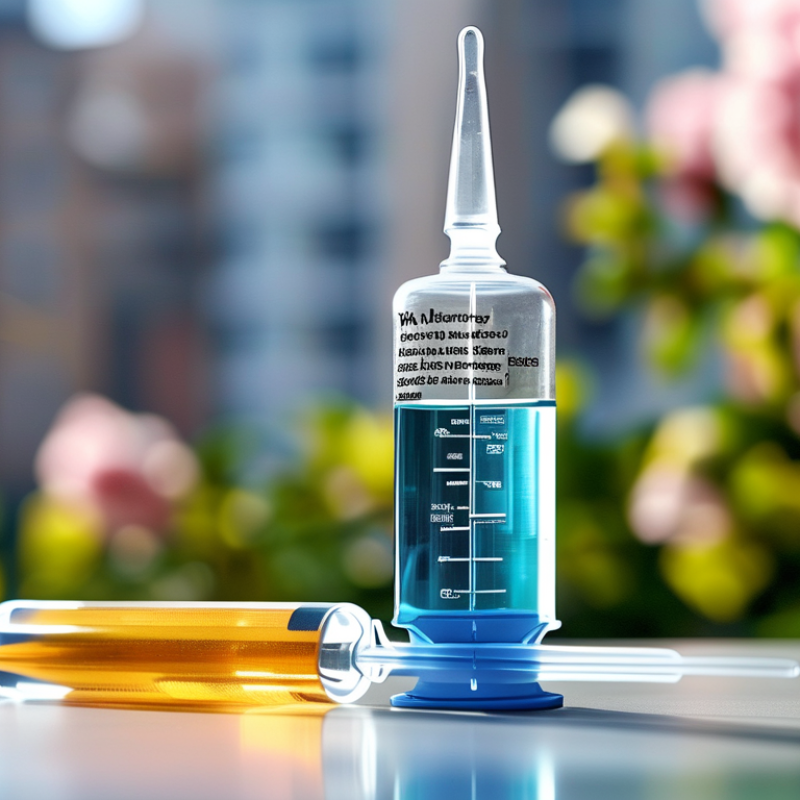
Reusable injection syringes offer significant benefits in cost management for businesses in the healthcare sector. By choosing these syringes, organizations can dramatically reduce waste. Disposable syringes contribute to environmental issues and incur constant replacement costs. In contrast, reusables help manage budgets more efficiently over time.
Using reusable syringes allows companies to invest in quality rather than quantity. Fewer purchases mean lower supply chain expenses. Maintenance costs may arise, but they are often overshadowed by overall savings. Long-term strategies should focus on these investments. Training staff to operate and clean the syringes is crucial. It can be an area of concern, but proper training aligns with best practices.
However, the initial transition can pose challenges. Organizations must adapt their protocols and educate employees. Resistance to change can emerge, highlighting the need for strong leadership. Despite these hurdles, the financial rewards can be considerable. A thoughtful approach ensures that reusables become a sustainable choice, ultimately fostering a more responsible business model.
Environmental Impact: Reducing Medical Waste with Reusable Syringes
Reusable injection syringes have become vital in healthcare settings. They significantly reduce medical waste, addressing one of the industry's pressing challenges. Traditional single-use syringes contribute to a growing mountain of medical waste. By opting for reusable options, businesses can play a crucial role in environmental conservation.
Switching to reusable syringes can help minimize plastic waste. This shift reduces the burden on landfills and recycling systems. Many healthcare organizations are adopting environmentally-friendly practices. Reusable syringes are not only sustainable but also cost-effective over time. They can withstand multiple sterilization cycles, making them a reliable choice.
When considering reusable syringes, choose high-quality models for safety. Conduct regular training sessions to ensure staff know proper sterilization techniques. Evaluate your supply chain to integrate these syringes into existing practices. Each step towards sustainability counts. Balancing cost and environmental responsibility can be complex. Embracing such changes requires commitment and a willingness to adapt.
Why Choose Reusable Injection Syringes for Your Business? - Environmental Impact: Reducing Medical Waste with Reusable Syringes
| Dimension |
Description |
Impact |
| Waste Reduction |
Reusable syringes significantly reduce the amount of medical waste produced. |
Up to 70% less waste generated per year. |
| Resource Conservation |
Less demand for single-use materials leads to lower resource depletion. |
Saves millions of plastic syringes annually. |
| Cost Savings |
Investing in reusable syringes can lower long-term costs for healthcare facilities. |
Potential savings of 40% over time. |
| Environmental Footprint |
Using reusable syringes helps reduce the carbon footprint of healthcare operations. |
Reduction of CO2 emissions by approximately 500 tons per facility per year. |
| Education and Awareness |
Encourages staff and patients to engage in sustainable practices. |
Increase in overall environmental awareness within the community. |
Enhancing Safety Standards: Preventing Needlestick Injuries in Healthcare
Needlestick injuries in healthcare are a serious hazard. According to a study by the Occupational Safety and Health Administration (OSHA), healthcare workers face approximately 385,000 sharps injuries each year in the U.S. alone. These incidents not only pose health risks to workers but also increase operational costs due to medical treatment and compliance issues. Solutions like reusable injection syringes can significantly enhance safety standards.
Reusable injection syringes reduce the dependence on single-use products. This shift is essential because single-use syringes contribute to the rising number of sharps injuries. A 2022 report indicated that facilities that adopted reusable syringes saw a 30% decrease in needlestick accidents. By implementing rigorous sterilization processes, healthcare facilities can ensure safety while promoting sustainability.
However, the transition to reusable syringes requires comprehensive training for staff. There may be concerns about sterilization protocols and handling practices. Proper education can address these worries. Facilities must assess their current practices critically. Continuous improvement is key to enhancing safety standards while using reusable equipment. The focus should remain on minimizing risks and ensuring the health of all healthcare workers.
Compliance with Regulatory Standards for Medical Equipment Reusability
In healthcare, ensuring adherence to regulatory standards is crucial. Reusable injection syringes must meet specific guidelines set by health authorities. These guidelines ensure safety and efficacy when syringes are reused. It’s not just about function but also about manufacturing processes. Equipment must be designed to withstand repeated sterilization without degradation.
Moreover, compliance with standards protects against risks. Improperly designed syringes may lead to contamination or breakage. This raises concerns about patient safety. Regular audits and certifications can help maintain these standards. However, companies sometimes overlook the importance of continuous training for staff on compliance.
Investing in training can bridge these gaps. Understanding regulations is essential for all employees. Yet, it's common for organizations to underestimate this need. Communication about best practices should be a priority. In doing so, businesses can foster a culture that values compliance, protecting both their reputation and the well-being of their patients.
The Efficiency of Reusable Injection Syringes in High-Volume Settings
Reusable injection syringes have emerged as a practical solution for businesses operating in high-volume settings. Recent studies indicate that using reusable syringes can reduce costs by nearly 30% when compared to traditional disposable options. This substantial saving can be critical for facilities managing thousands of injections daily. Additionally, reusable systems can decrease waste significantly, an essential factor given that medical waste continues to be a pressing environmental concern.
Efficiency is not just about cost. Reusable injection syringes can also streamline operations. Reports show that facilities using reusable systems report a reduced inventory burden, as fewer syringes need to be stored. This can result in better space management and quicker access to necessary supplies. However, facilities must focus on strict cleaning and sterilization protocols to ensure safety and reliability.
It's essential to conduct regular training for staff on proper handling and maintenance of reusable syringes. Proper education can minimize errors and improve safety. Moreover, evaluating the sterility validation processes regularly can enhance user confidence in the system. Embracing reusability in your operations could drive efficiency and support sustainability goals. Ultimately, ongoing assessment of these practices can ensure alignment with evolving industry standards.
Efficiency of Reusable Injection Syringes in High-Volume Settings