Leave Your Message

Why Choose a Cattle Injector for Global Livestock Care?

Cattle Injector technology supports safer, more consistent livestock care across farms, ranches, and veterinary practices. It helps trained handlers deliver approved treatments with controlled pressure and measured volumes. This matters when several animals need attention during a busy health program. A reliable device can reduce wasted medicine and limit unnecessary stress. However, equipment quality alone does not guarantee good outcomes.

In practical herd management, details often shape the result. A clean injector, sharp sterile needle, and readable dosage setting support better handling. The operator should examine the animal, confirm the product label, and follow veterinary instructions. Proper restraint also matters. A calm animal moves less, while a rushed handler may cause injury or inaccurate dosing. Small mistakes can become expensive problems.

Global livestock care is not identical everywhere. Climate, herd size, veterinary access, and local regulations influence equipment choices. Some operations need a lightweight manual model. Others may prefer a high-capacity injector for larger treatment groups. No injector is perfect. Seals wear, settings drift, and cleaning routines may be overlooked. Regular inspection remains essential. Cattle Injector selection should therefore consider durability, calibration, animal welfare, and user training together. It should not be treated as a quick purchase. Responsible use depends on evidence, professional guidance, and honest review of field performance. Better tools help, but careful decisions protect both cattle and the people handling them.
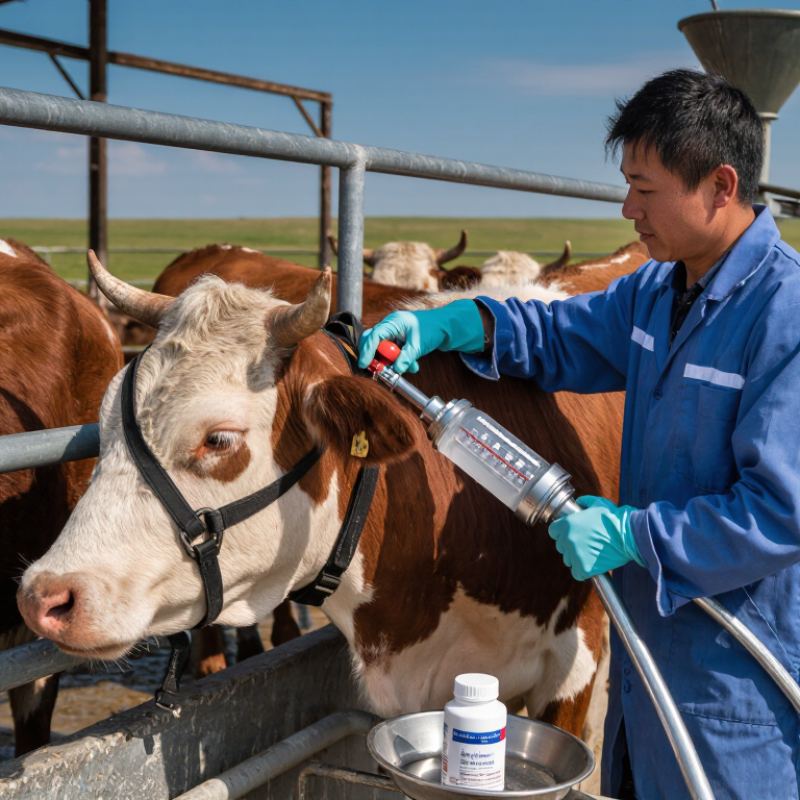
Why Choose a Cattle Injector for Global Livestock Care?

What Is a Cattle Injector and How Does It Work?

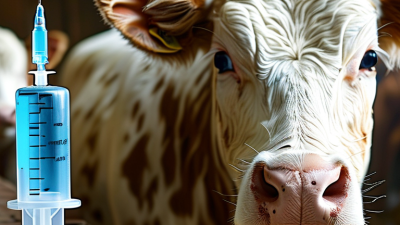
A cattle injector is a hand-operated or automatic device that delivers a measured medicine or vaccine dose into cattle. It usually includes a barrel, plunger, dose adjuster, needle, and trigger. Some models draw liquid from a bottle through tubing, while others require manual refilling. The operator sets the dose, positions the needle correctly, and presses the trigger. Pressure then pushes the fluid through the needle and into the selected tissue.

Accuracy matters. A 2 mL dose should not become 3 mL because of a loose setting or hurried handling. Subcutaneous injections go beneath the skin, often beside the neck. Intramuscular injections enter muscle and require stricter site control. Clean needles, correct restraint, and temperature protection help reduce tissue damage and treatment failure. The World Organisation for Animal Health recommends following veterinary instructions, product labels, and local withdrawal requirements. Those details are not optional.

The need is substantial. FAO estimates that animal diseases cause at least 20% of global animal production losses. Its 2023 livestock report also links livestock systems with the livelihoods of about 1.3 billion people. A reliable injector can support consistent dosing across large herds, especially where labor is limited.

Still, equipment is not foolproof. A blocked needle, poor calibration, or warm vaccine can quietly undermine good intentions. Field teams should check calibration, replace damaged parts, and record each treatment. Small mistakes remain possible. That is where training and veterinary oversight matter most.
How Cattle Injectors Support Safe and Efficient Livestock Treatment

Why Choose a Cattle Injector for Global Livestock Care?

Safe treatment depends on more than delivering medicine quickly. A suitable cattle injector helps trained handlers give accurate doses with less animal restraint. This can reduce stress, protect workers, and support consistent herd care. Proper equipment also limits contamination when needles and medicine containers are handled carefully. Yet speed should never replace veterinary direction. A fast injection is not always a better injection.

Tips: Check the dose, needle, and animal identity before treatment. Clean the equipment as directed. Use a new needle when contamination or damage is suspected. Keep medicines stored according to label instructions, including temperature requirements. Record the date, dose, and treated animal immediately.

Good injectors should feel balanced in the hand and allow controlled delivery. Clear markings help reduce reading mistakes, especially in cold barns or bright outdoor conditions. Handlers should follow local veterinary advice and approved product instructions. Injection sites must match the medicine label and animal welfare guidance. Poor technique can cause swelling, tissue damage, or ineffective treatment. Even experienced workers can miss a record during busy rounds. That small error matters. Regular training, equipment checks, and calm handling make livestock treatment safer across different farming environments. Local rules still apply.

Why Choose a Cattle Injector for Global Livestock Care? - How Cattle Injectors Support Safe and Efficient Livestock Treatment

Treatment and Equipment Dimension Typical Cattle Injector Data How It Supports Safe and Efficient Care
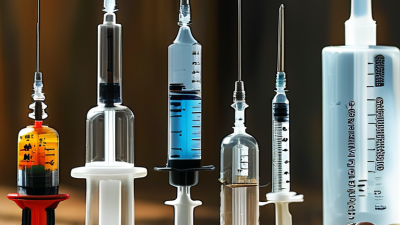
Common injector formats Single-dose syringes, repeat-dose automatic syringes, and multidose bottle-mounted injectors Allows the equipment to be selected according to herd size, treatment volume, handling conditions, and operator preference.
Typical syringe capacities Common manual syringe sizes include approximately 5 mL, 10 mL, 20 mL, and 50 mL; automatic models are often available in smaller adjustable dose ranges. Capacity can be matched to the labeled dose, helping reduce refilling time and unnecessary product exposure.
Dose adjustment Many repeat-dose injectors use an adjustable plunger or dose selector; the exact range depends on the equipment design. A clearly calibrated dose setting supports consistent administration across animals and reduces dosing errors.
Subcutaneous administration Commonly administered in loose skin in front of or behind the shoulder, when permitted by the product label. The neck area is generally preferred for many cattle injections because it helps protect valuable carcass cuts.
Intramuscular administration When specifically required by the label, injections are generally given in the neck muscles rather than the hindquarter. Correct site selection can reduce carcass damage and helps support responsible injection-site management.
Needle selection Needle choice depends on route, animal size, product thickness, and injection site. Common cattle needle sizes include approximately 16–18 gauge and 1/2–1 1/2 inch lengths. Using the correct gauge and length helps deliver the product to the intended tissue while limiting tissue trauma.
Volume per injection site Many cattle-care protocols recommend limiting the volume at one injection site to about 10 mL, unless the product label or veterinarian specifies otherwise. Dividing larger labeled doses among separate sites can help reduce local tissue irritation and injection-site lesions.
Dose verification The dose must be verified against the product label, animal weight, treatment purpose, and veterinary instructions. Accurate verification helps prevent underdosing, overdosing, treatment failure, and avoidable residue risks.
Needle replacement A new sterile needle should be used when a needle becomes contaminated, bent, damaged, or dull; many livestock protocols also recommend changing needles regularly during a treatment session. Regular replacement reduces contamination risks and limits tissue damage between animals.
Cleaning and sanitation Reusable injectors should be cleaned and disinfected according to the equipment instructions, then dried before storage. Good hygiene helps prevent contamination, preserves equipment function, and supports repeatable treatment quality.
Product compatibility The injector, seals, tubing, and needle must be compatible with the formulation, including aqueous or oil-based products where applicable. Compatibility reduces leakage, inaccurate dosing, equipment damage, and product contamination.
Cold-chain and storage considerations Temperature and light requirements vary by veterinary product; many vaccines require refrigerated storage, commonly between 2°C and 8°C. Following the product-specific storage instructions helps maintain treatment effectiveness and product stability.
Treatment records and withdrawal periods Records should include the animal or group, product, dose, route, date, operator, and applicable meat or milk withdrawal period. Documented treatments improve traceability, support regulatory compliance, and help prevent premature sale or shipment of treated animals or animal products.

Important: The values shown are general livestock-care guidance. Always follow the veterinary product label, local regulations, approved withdrawal instructions, and advice from a qualified veterinarian.

Which Types of Cattle Injectors Suit Different Farming Needs?

Choosing a cattle injector starts with herd size, treatment frequency, and handling conditions. For occasional treatment, a manual syringe is often practical for small farms. It is simple, affordable, and easy to inspect. A durable barrel and comfortable grip reduce hand strain during careful administration. Clear dosage markings also help prevent avoidable errors. That detail matters. However, manual use can become tiring when many animals need treatment.

For larger herds, a repeater injector can improve speed and consistency. It delivers several measured doses without refilling after every animal. Adjustable dosage settings suit different cattle sizes and veterinary instructions. A powered injector may help during intensive work, especially when repeated dosing requires steady pressure. Power is not always an advantage. Batteries can fail in cold weather, and complex parts may require more cleaning. Farms should examine their storage, charging, and maintenance routines before choosing this type.

Needle-free injectors may suit operations seeking faster surface delivery with less needle handling. Their use depends on the product, animal condition, and approved administration method. They are not a universal replacement for conventional equipment. Veterinary guidance remains essential, particularly for sensitive tissue or difficult restraint. Every injector should have clean, replaceable parts and accurate calibration. Operators should record the product, dose, animal, and treatment date. A well-fitted injector still performs poorly when the user rushes or ignores calibration checks. That is an easy mistake to underestimate.

What Factors Should Global Livestock Care Providers Consider?

Why Choose a Cattle Injector for Global Livestock Care?

Global livestock care providers should assess more than purchase price when selecting a cattle injector. Dosage accuracy is essential for responsible treatment and reduced product waste. A suitable injector should deliver consistent volumes, even during long working sessions. Experienced handlers also value balanced grips, clear settings, and smooth operation. Small details matter.

Climate and working conditions deserve close attention. Equipment used in humid regions should resist corrosion and remain easy to clean. In colder areas, seals and moving parts must perform reliably. Dusty farms create different challenges. A durable injector should tolerate repeated handling without becoming difficult to maintain. Its materials should support practical disinfection between animals.

Veterinary protocols and local regulations must guide every application. Providers should check whether the injector suits the intended product, dose range, and animal size. Clear instructions help reduce training errors across multilingual teams. Replacement parts and technical support are also important in remote areas. An unusable tool can delay routine care. That matters.

Recordkeeping can improve accountability. Teams may track calibration checks, cleaning schedules, and operator training. These habits support safer, more consistent livestock management. Still, no injector is perfect. Some models may feel reliable but prove awkward after several hours. Field testing with real handlers can reveal problems that specifications miss. A careful evaluation should include animal restraint procedures, staff comfort, maintenance time, and total operating cost. Reliability is measured in daily use, not only in a product demonstration.

How Proper Use Improves Animal Welfare and Treatment Outcomes

Why Choose a Cattle Injector for Global Livestock Care?

Proper use of a cattle injector can improve welfare and treatment outcomes across different production systems. Accurate dosing reduces under-treatment, overdosing, and repeated handling. Less restraint can also lower fear, struggling, and injury risk. Accuracy matters. The Food and Agriculture Organization reports that animal diseases can reduce global livestock production by up to 20%. Timely, correct treatment supports healthier herds and more stable food production.

A calibrated injector delivers a consistent volume when the operator follows veterinary instructions. Needle selection, injection site, hygiene, and restraint remain essential. The 2022 National Beef Quality Audit identified injection-site lesions as a continuing quality concern in cattle production. This shows that equipment alone cannot guarantee welfare. Even experienced handlers can rush. A careful operator checks the animal, confirms the dose, and avoids damaged tissue. Records should include the animal group, product, route, dose, date, and withdrawal period. These steps support traceability and responsible medicine use.

Tips: Inspect the injector before use. Confirm calibration regularly. Use clean needles and replace them when bent, contaminated, or dull. Keep animals calm with quiet movement and secure restraint. Follow local veterinary guidance and approved product instructions. Never guess a dose. Small errors matter. Reflect after each treatment session: Were animals calmer, injuries fewer, and records complete?

Why Choose a Cattle Injector for Global Livestock Care?

Typical beef-cattle guidance recommends shorter needles for subcutaneous injections and longer needles for intramuscular injections. Select the correct route, needle, and dose for the animal and product, and follow the product label and veterinary guidance. Use the neck injection area where directed.

Needle-length ranges shown are general guidance; requirements can vary with animal size, product, and administration instructions.