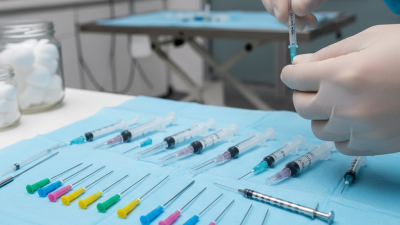
Choosing the right Animal Use Syringes requires more than comparing prices or viewing polished product photographs. Veterinary buyers need dependable dosing, comfortable handling, and clear manufacturing information. A syringe used for a 2-kilogram lamb has different demands from one used for cattle, horses, companion animals, or wildlife. Barrel visibility, plunger smoothness, needle compatibility, dead-space volume, and measurement markings can affect daily treatment accuracy.
Dr. Temple Grandin, a leading animal-handling expert, has said, “The worst thing you can do is to put fear into an animal.” Her observation matters when evaluating syringe design. A secure grip, gentle needle entry, and predictable plunger movement can reduce handling stress. Small details matter. They also protect staff.
Global veterinary buyers should examine material quality, leakage resistance, sterility options, reusable construction, and packaging protection. They should request batch records, quality certificates, and product samples before placing large orders. Regional requirements may differ, so import documentation and local veterinary standards require careful review. A low-cost syringe can become expensive when markings fade, seals fail, or delivery records remain incomplete.
This guide compares leading Animal Use Syringes for professional purchasing decisions. It considers practical field experience, technical performance, supplier reliability, and species-specific use. Still, no ranking is perfect. Product performance may change between batches, and laboratory claims may not reflect muddy farms or cold storage rooms. Buyers should test products in real workflows, not trust brochures alone. The best choice is usually the syringe that performs consistently, safely, and transparently.
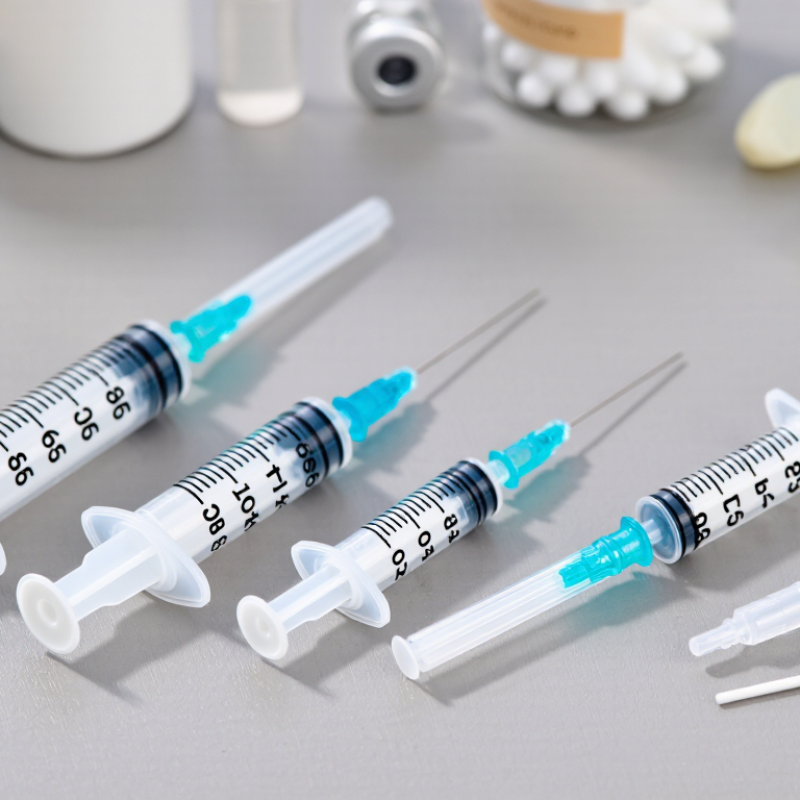
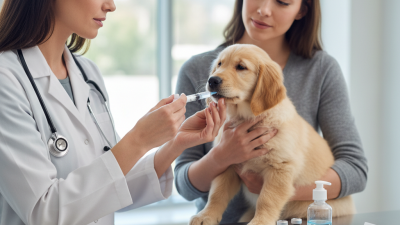
Animal use syringes support injections, fluid delivery, sampling, and oral dosing across veterinary settings. Choosing the correct type depends on species, dosage, medicine viscosity, and treatment frequency.
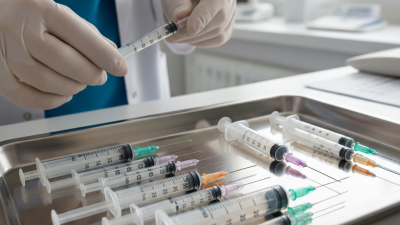
Disposable syringes are common for single-use injections because their clear barrels allow quick volume checks. They reduce cleaning demands and help limit cross-contamination when handled correctly. Reusable syringes suit repetitive farm procedures, especially when durable materials and careful sterilization are available. However, poor cleaning can create serious reliability problems.
Small-volume insulin and tuberculin syringes help measure precise doses for small animals or sensitive treatments. Their fine graduations are useful when a minor measurement error matters. Larger syringes support fluid administration and thicker preparations.
Catheter-tip syringes work well with feeding tubes, wound irrigation, and some non-injectable applications. Oral dosing syringes are usually needle-free and help deliver measured liquids safely.
Automatic syringes can improve speed during herd health programs. They still require calibration checks. A drifting dose mechanism may affect treatment accuracy. Multi-dose equipment also needs careful storage and routine inspection. Look for a smooth plunger, readable markings, secure connections, and packaging suited to the procedure. Needle size must match the animal, injection route, and liquid thickness. One syringe cannot fit every case. Veterinary teams should review equipment choices against current clinical protocols, manufacturer instructions, and local requirements. Small details matter more than attractive design.
Veterinary syringes rely on a few simple components. Each part affects dosing accuracy, animal comfort, and handling safety. The barrel stores medication and usually includes clear graduations for measurement. A smooth plunger creates controlled movement inside the barrel. Its rubber seal must fit closely without dragging or leaking. The hub joins the syringe to a needle or other approved delivery attachment. A secure connection matters during treatment, especially with restless animals.
The working principle is based on pressure changes. Pulling the plunger creates negative pressure and draws fluid into the barrel. Pushing it creates positive pressure and moves fluid through the needle. Air bubbles can reduce accuracy. Gentle tapping and slow plunger movement help remove them. Needle size should match the animal, injection site, fluid thickness, and clinical procedure. Larger animals may require stronger barrels, while small patients need finer graduations. Comfort still matters.
Global veterinary buyers should inspect material quality, seal performance, packaging integrity, and readable measurements. Sterile products need undamaged packaging and clear lot information. For single-use products, reuse can increase contamination and dosing risks. In field handling, a syringe that moves smoothly is easier to control with gloved hands. Yet specifications can look excellent on paper and feel different in practice. A small trial order is wiser than relying only on photographs. Staff feedback may reveal stiff plungers, unclear scales, or fragile hubs before larger purchasing decisions.
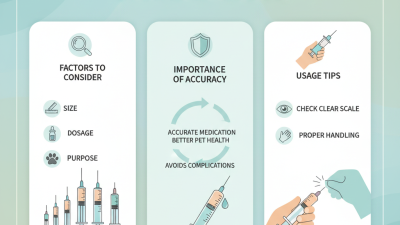
Selecting an animal-use syringe starts with the species, not the package label. A 1 mL syringe suits small birds, rabbits, and precise doses for young pets. Larger dogs, cattle, sheep, and horses often require 5, 10, or 20 mL sizes. Choose the smallest practical barrel. It improves dose control and reduces waste. For oral dosing, use a smooth, rounded tip and confirm that the animal can swallow safely.
Needle choice depends on skin thickness, injection route, medication viscosity, and veterinary instruction. Fine needles may reduce tissue trauma in cats and small dogs, but they can slow thick fluids. Cattle and horses may require longer, stronger needles for approved intramuscular or subcutaneous procedures. Never guess the gauge. A veterinarian should match it to the drug and injection site. Buyers should also verify sterility, clear graduations, lot traceability, and compliance with local veterinary requirements.
For birds and reptiles, tiny dose errors can become significant quickly. A low-dead-space design may help when volumes are very small. For pigs and poultry, secure handling matters as much as capacity; sudden movement can bend a needle. Keep species-specific records for dose, route, needle size, and disposal. Rushed selection causes avoidable mistakes. Still, no syringe fits every case. Local rules, farm protocols, and the animal’s condition can change the safest choice.
| Animal Species / Group | Common Veterinary Use | Recommended Syringe Capacity | Typical Needle Gauge | Typical Needle Length | Suitable Syringe Features | Key Selection Considerations |
|---|---|---|---|---|---|---|
| Cattle | Vaccination, injectable medication, herd treatment | 5–20 mL for individual doses; 20–50 mL for repeated administration | 16–18G for many subcutaneous or intramuscular injections | 25–40 mm (1–1½ in), depending on route and animal size | Rugged barrel, secure luer-lock or fixed needle, clear graduations, multi-dose compatibility | Select capacity close to the dose to improve accuracy; use route-specific needles and follow withdrawal requirements. |
| Horses | Vaccination, intramuscular medication, intravenous administration | 3–20 mL for most injections; 20–60 mL for selected procedures | 18–21G for common injections; finer gauges may be used when clinically appropriate | 25–40 mm (1–1½ in) for many intramuscular applications | Smooth plunger, precise graduations, low dead space, secure needle connection | Use a capacity that permits controlled delivery; needle choice must reflect injection site, medication viscosity, and veterinary instructions. |
| Sheep and Goats | Routine vaccination, parasite control, injectable treatment | 1–5 mL for individual dosing; 5–20 mL for flock or group work | 18–21G for many subcutaneous or intramuscular injections | 12–25 mm (½–1 in), adjusted for body size and route | Lightweight design, accurate small-volume scale, replaceable or fixed sterile needles | Small-capacity syringes generally provide better dose control; avoid oversized syringes for small individual doses. |
| Swine | Vaccination, antimicrobial or supportive treatment, production-animal health programs | 2–10 mL for piglets and growers; 5–20 mL for adult pigs | 16–20G, selected according to age, route, and product viscosity | 12–25 mm (½–1 in) for many applications | Durable barrel, ergonomic grip, clear dose markings, optional automatic or repeat-dose format | Dose accuracy and hygiene are critical in group settings; replace needles as recommended by the herd-health protocol. |
| Dogs | Vaccination, fluid therapy, injectable medication | 1–10 mL for most injections; 10–20 mL for larger-volume procedures | 22–25G for many subcutaneous injections; 20–23G for selected intramuscular or intravenous use | 16–25 mm (⅝–1 in), depending on route and patient size | Low dead space, fine graduations, smooth plunger, luer-lock connection | Choose the smallest practical capacity that safely accommodates the prescribed volume for accurate dosing. |
| Cats | Vaccination, subcutaneous medication, small-volume injections | 0.3–3 mL for most injections; 5 mL when a larger volume is prescribed | 22–27G, depending on route, medication, and required flow rate | 12–25 mm (½–1 in) | Fine graduations, low dead space, smooth action, sterile single-use construction | Insulin-style syringes should only be used when compatible with the prescribed medication and concentration. |
| Poultry | Vaccination and small-volume individual treatment | 0.3–1 mL for individual birds; specialized repeat-dose systems for flock work | 22–27G for many individual injections, subject to route and product instructions | 6–13 mm (¼–½ in), adjusted for bird size and injection site | Very fine graduations, lightweight body, repeat-dose capability, easy cleaning or sterile disposability | Use only approved routes and products; flock-level equipment requires strict sanitation and dose calibration. |
| Rabbits and Small Mammals | Vaccination, analgesia, supportive care, precise medication dosing | 0.3–3 mL for most injections | 23–27G for many subcutaneous applications; route-specific selection is required | 6–16 mm (¼–⅝ in) | Low dead space, highly readable scale, smooth plunger, small-volume accuracy | Avoid excessive pressure and select the shortest practical needle under veterinary direction. |
| Reptiles and Birds for Individual Care | Specialist medication, hydration, vaccination where applicable | 0.3–3 mL for many small patients; larger sizes only when clinically required | 22–30G, determined by species, tissue, route, and solution viscosity | 6–25 mm (¼–1 in), based on anatomy and injection site | Fine graduations, low dead space, secure connection, sterile single-use format | Species-specific anatomy and temperature-dependent physiology require direct guidance from an experienced veterinarian. |
Veterinary syringes should match the animal, medication, and treatment volume. A small, clearly marked barrel helps prevent dosing errors in young animals. Larger livestock may require stronger construction and a secure needle connection. Choose sterile, intact packaging for every injection. Check the barrel, plunger, and seal before use. Never use equipment with cracks, leaks, or unclear graduations.
Clean hands matter. Staff should wash hands and wear suitable gloves when preparing injections. Keep syringes on a clean, dry tray, away from feed, dust, and used equipment. Single-use syringes should not be reused, even when they look clean. Reusable models need validated cleaning and sterilization procedures. A quick rinse is not enough. This is where busy teams sometimes make unsafe assumptions.
Safe handling also depends on restraint and clear communication. Secure the animal without excessive force, and keep the needle away from people during movement. Do not recap used needles by hand. Place needles and syringes into approved sharps containers immediately after treatment. Label prepared doses with the animal identification, medicine, concentration, and time. Storage conditions must follow the medicine instructions, including temperature and light limits. Local veterinary protocols still matter, because practical habits can differ between regions.
Global veterinary syringe purchasing requires more than comparing unit prices. Buyers should match syringe volume and needle gauge with the animal’s species, body size, and treatment routine. A small animal clinic may need low dead-space syringes for precise dosing. Large-animal operations may prioritize stronger barrels and secure connections. Material compatibility also matters when products contact vaccines, antibiotics, or sensitive biological solutions.
Packaging deserves close attention. Each sterile pack should show the lot number, expiration date, size, and storage conditions clearly. Labels should remain readable after exposure to humidity or cold-chain handling. In warmer regions, buyers should ask about transport testing and warehouse stability. Documentation should include quality certificates, product specifications, and traceability records. These details help veterinary teams investigate defects quickly.
Do not ignore usability. A smooth plunger, visible graduations, and a reliable needle attachment can reduce handling errors. Procurement teams should request samples before placing large orders. Test them with gloved hands, different liquid viscosities, and typical clinic temperatures. A low price can hide higher waste from leaks, blocked needles, or difficult plungers. However, premium specifications are not always necessary. Some buyers may overcomplicate selection and increase costs without improving care. Local regulations, import requirements, and disposal procedures also need review before shipment. Supplier communication matters when delivery schedules change or packaging arrives damaged.